The Challenges of Being a Landlord in a College Town: Insights from Norman and the University of Oklahoma
The Challenges of Being a Landlord in a College Town: Insights from Norman and the University of Oklahoma
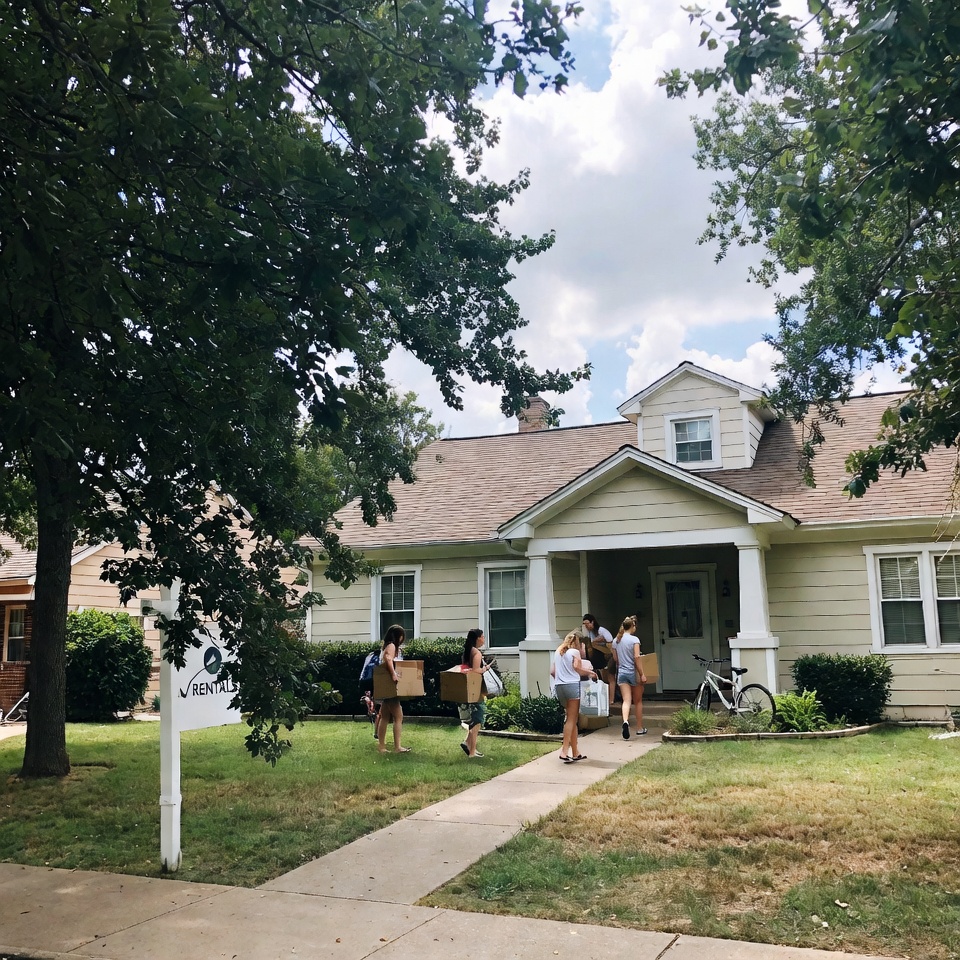
Norman is driven by the University of Oklahoma, so the rental market works on a different calendar than most cities. Instead of families moving whenever they find a house, many tenants are students who move around the start and end of the school year. This academic rhythm shapes nearly every aspect of owning rental property here. According to Steve McKenzie of MK Partners Inc., some of the biggest challenges include higher tenant turnover, more wear and tear because students often have multiple roommates, coordinating leases around the academic calendar, parking complaints and neighborhood concerns, and more first-time renters who need education about lease responsibilities. These realities mean landlords cannot simply copy strategies that work in non-college markets.
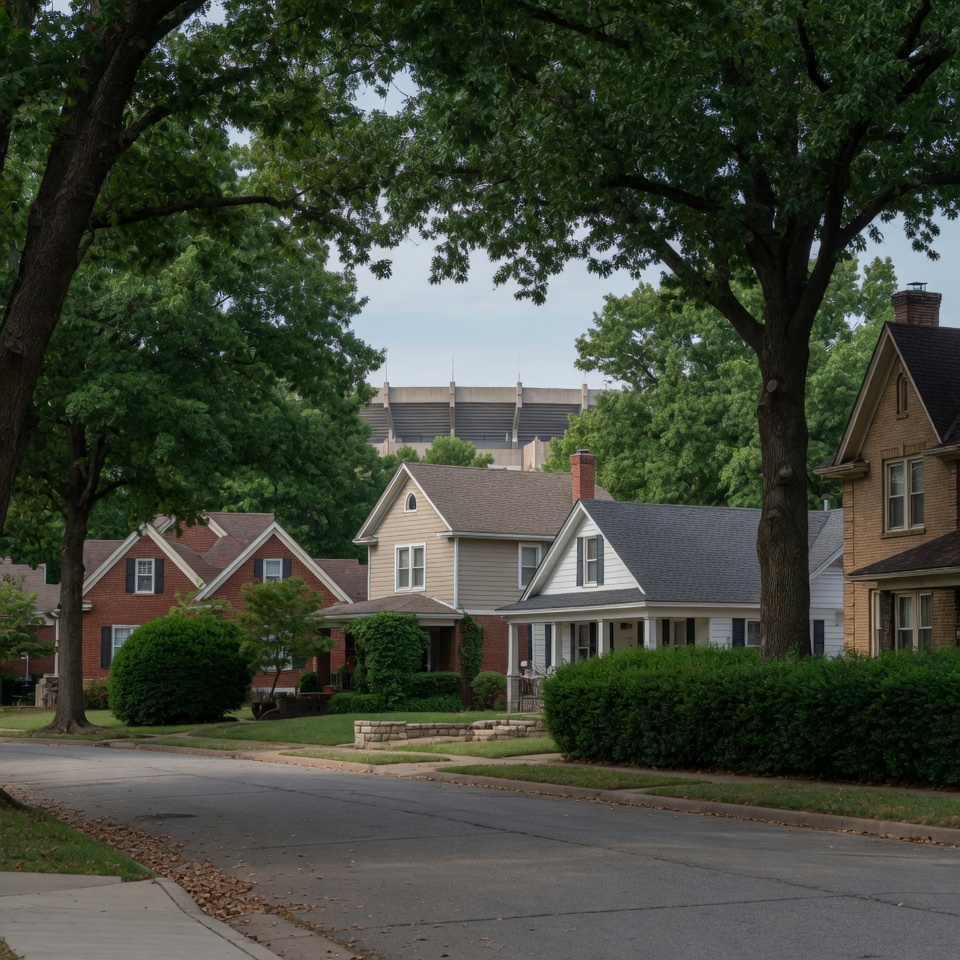
The local regulatory environment adds another layer. Norman actively enforces property maintenance codes—tall grass, junk accumulation, deteriorating exterior conditions, and other code issues receive attention. Occupancy limits can become important in areas heavily populated by students, so landlords need to understand local zoning and unrelated occupant rules before advertising a home for multiple roommates. Football weekends and campus events create parking and neighborhood issues that owners need to anticipate. Norman also places a strong emphasis on neighborhood preservation, which means keeping properties maintained isn’t just good business—it helps avoid city enforcement. Steve emphasizes that knowing the local ordinances before buying an investment property can save a lot of headaches later.
Despite the friction, the upside remains clear. Rental demand is usually very strong, especially near campus, and a well-managed property can stay occupied with very little vacancy. The key is professional management. “The biggest thing is to treat your property manager like a business partner” Steve says. He recommends being clear about your goals—whether cash flow, appreciation, or long-term tenants—trusting the manager to handle day-to-day decisions rather than second-guessing every maintenance request, setting realistic maintenance budgets, understanding that preventative maintenance almost always costs less than emergency repairs, and hiring a company with strong communication and good vendor relationships rather than simply the cheapest management fee. A good property manager protects your investment, not just collects rent.
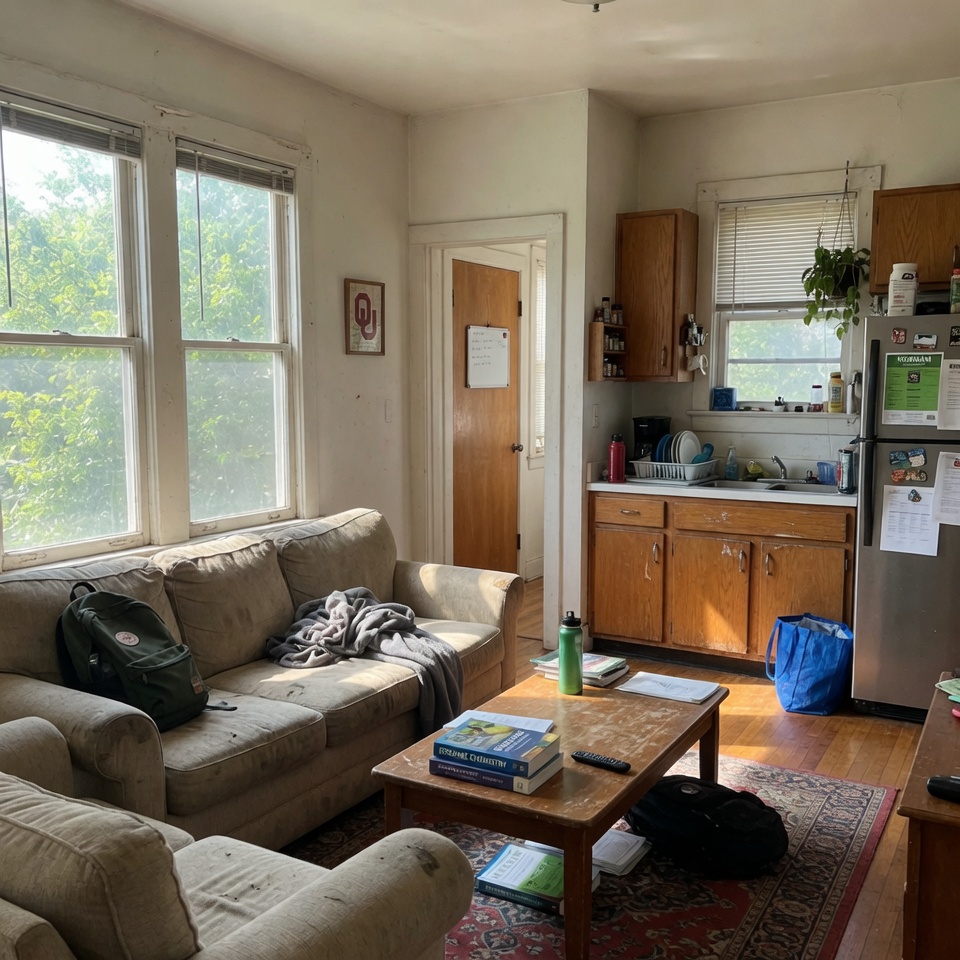
Rental properties around OU campus
Preventative maintenance is one of the easiest ways to reduce long-term costs in Oklahoma’s climate. Steve recommends servicing the HVAC twice a year, replacing air filters regularly, cleaning gutters annually, checking for plumbing leaks before they become water damage, inspecting roofs after severe Oklahoma storms, trimming trees away from roofs and structures, testing smoke and carbon monoxide detectors, resealing exterior caulking around windows and doors, flushing water heaters periodically, and inspecting fences, gates, and exterior grading. In Oklahoma, weather is one of the biggest threats to a rental property. Spending a few hundred dollars on maintenance can prevent several thousand dollars in repairs later.
The biggest mistake Steve sees is waiting too long to address small problems. Whether it’s maintenance or tenant issues, small problems almost always become expensive problems if ignored. He also advises new landlords not to skip tenant screening, not to underprice maintenance, not to try to save money by ignoring preventative repairs, not to let emotions make business decisions, and not to buy an investment property without understanding the local rental market. The best landlords treat their rentals like a business, not a hobby. Successful rental properties aren’t successful because owners avoid spending money. They’re successful because owners spend money wisely, maintain the property proactively, and build good relationships with both their tenants and their property management team. That’s what protects the investment over the long term in a college town like Norman.